Moving into a new home in Wood River changes your priorities overnight. Some items are obvious, like unpacking and checking locks. Others hide under the floorboards and behind vents, and one of the most consequential is your air conditioning system. A properly sized, professionally installed AC keeps you comfortable, protects your investment in drywall and electronics, and saves money on energy bills. Get it wrong and you face short cycling, humidity problems, higher maintenance, and a shortened equipment life. Get it right and your house becomes a quiet, efficient refuge all summer.
Why this matters Wood River summers can be humid and sticky. Your AC does more than lower temperature; it controls humidity, filters particles, and balances airflow. When I replaced the system in my own bungalow, I learned the hard way that "big enough" is not better. Oversized units cool the room fast but never run long enough to remove moisture, leaving rooms clammy and prone to mold. That experience taught me to prioritize proper sizing, airtight ductwork, and matched components over the shiny sales pitch.
How to decide whether to replace or repair You just bought the house and the existing system looks old. The right move depends on age, repair history, efficiency, and your plans for the home. If the unit is under 10 years old and has a good maintenance record, a targeted repair or recharge might be reasonable. If it is over 12 years old, uses R-22 refrigerant, has had multiple compressor or coil failures, or the compressor cycles on and off rapidly, replacement is usually the smarter financial decision.
Think of this as triage. Immediate comfort fixes like cleaning the condenser, changing filters, or clearing a clogged condensate drain can buy you time. But if the evaporator coil is corroded or the compressor is failing, replacing the whole system will provide better performance, lower energy bills, and fewer unexpected calls for AC repair in Wood River IL.
Selecting the right system for Wood River homes A lot of homeowners assume bigger equals better. In reality the right system matches the house. That match is not a casual estimate, it is a load calculation. A proper load calculation, often called a Manual J, accounts for square footage, insulation levels, window area and orientation, number of occupants, ceiling height, and local climate. Two houses with the same square footage can need very different capacities.
For Wood River, which experiences hot humid summers, prioritize systems that handle latent load well. That means components and controls that run long enough to remove moisture, and a system that is correctly sized. High-efficiency units with variable-speed compressors and multi-stage operation manage humidity better than single-stage, while smart thermostats and zoning improve control and comfort.
A note on SEER and efficiency SEER, or seasonal energy efficiency ratio, measures cooling output per energy input across a season. New federal minimums vary by region, and local incentives can affect the cost calculus. Upgrading from a 10 SEER to a 16 SEER unit typically lowers monthly cooling cost noticeably, but the incremental savings depend on how many cooling hours you use each year. If your AC runs heavily, spending more up front for higher SEER often pays off over time. If your usage is minimal, the payback period lengthens.
Do not treat SEER as the only metric. Matching the indoor coil and the outdoor unit, ensuring proper refrigerant charge, and sealing and insulating the ductwork often yield bigger real-world savings than chasing the highest SEER number.
Finding the right HVAC contractor in Wood River Choosing the right contractor matters more than the brand of equipment. Look for a licensed, insured HVAC contractor with verifiable local experience. Ask for references on recent installations of similar homes and request to see a recent Manual J or equivalent load calculation. A good contractor will explain their assumptions, show the calculations, and be willing to adapt when your house has quirks.
Beware of common sales tactics. If someone offers a one-size-fits-all quoting method or pressures you to buy the biggest unit on the lot because it is "on sale," ask for time and a second opinion. Contractors who cut corners often skip steps that matter: measuring airflow, testing duct leakage, and verifying refrigerant charge. Those omissions lead directly to more AC repair in Wood River IL and unhappy homeowners.
Budgeting and financing A complete replacement in Wood River typically runs from a few thousand dollars for a basic split system to significantly more for high-efficiency, multi-stage systems with new ductwork or zoning. If you plan to stay in the home for a decade or longer, investing in a higher-efficiency model and addressing house shell issues such as insulation or leaky windows almost always pays off in comfort and resale value.
Many HVAC contractors, including local companies such as B & W Heating & Cooling, offer financing programs. Compare interest rates and terms. Sometimes a 0 percent offer for a limited time is useful, but make sure the monthly payment fits your cash flow and that the contractor provides a clear warranty and post-installation support.
Installation steps you should expect A professional install follows predictable stages. Below is a concise checklist of the four core steps I insist on as a homeowner and former service tech. Use this checklist when interviewing contractors to see if they cover the essentials.
- Accurate load calculation and equipment selection. Proper removal of the old unit, inspection of coils and ductwork, and correction of any airflow or leakage problems. Precise installation including mounting, refrigerant charge as per superheat or subcooling, and electrical and safety checks. Post-installation performance verification, system walkthrough with the homeowner, and written maintenance plan.
If a contractor leaves any of these steps out, ask why. Shortcuts on duct sealing, refrigerant charging, or airflow balancing are where performance and comfort problems begin.
Ductwork and airflow: the often-missed factors Homes in this area frequently have ductwork that was sized for earlier, less efficient systems or that has developed leaks. Duct leakage is the silent energy waster; sealed ducts translate to lower bills and better comfort. Many installers will rework or add duct returns, install sealed boots, and use mastic, not tape, for sealing critical joints.
Another overlooked topic is airflow balance. An under-supplied room feels warm even when the unit is running. That problem can often be solved with a simple register adjustment, a damper, or small duct modifications. Sometimes the solution is adding return air in a long hallway. Ask your contractor for airflow measurements in cubic feet per minute at key registers when they commission the system.
Humidity control strategies Because Wood River experiences both heat and humidity, your AC installation should address moisture removal explicitly. Variable-speed compressors and variable-speed air handlers provide the best humidity control by running longer at lower speeds. A system that cycles on and off frequently will not remove enough moisture. For homes with persistent humidity, consider a dedicated sensible and latent control strategy, such as a two-stage unit, a whole-house dehumidifier, or a thermostat with humidity setpoint control.
If you have sensitive belongings, musical instruments, or health concerns like mold allergies, tell your contractor. That conversation will influence equipment selection and control strategies more than a model number alone.
Permits, codes, and refrigerant considerations Any professional installation should include the required local permits and inspections. Refrigerant rules matter too. Older systems often use R-22, which has been phased down and can be expensive or impossible to recharge in the future. New systems use modern refrigerants like R-410A or newer blends. Your contractor should explain the refrigerant choice and any handling costs.
Keeping documentation is important. Save permits, refrigerant charge documentation, and the commissioning sheet. They matter for warranty claims and future resale.
What to expect the day of installation Installation day can be disruptive. Expect a crew of technicians, some noise, a parked truck, and a few hours of work for a common split system. For complex jobs that include duct replacement or significant electrical work, plan for a longer timeline. Ask for a start and expected finish time, inquire about cleanup practices, and request a walkthrough at the end that explains filters, thermostat settings, https://www.google.com/search?kgmid=/g/1trcgzjl and how to run basic diagnostics if something feels off.
Warranty and post-installation service Read the fine print on warranties. Equipment warranties differ from labor warranties. Many manufacturers require system registration and proof of annual maintenance to honor parts warranties beyond a basic term. A reputable HVAC contractor will offer a labor warranty for their workmanship and a maintenance plan so you can meet manufacturer requirements easily.
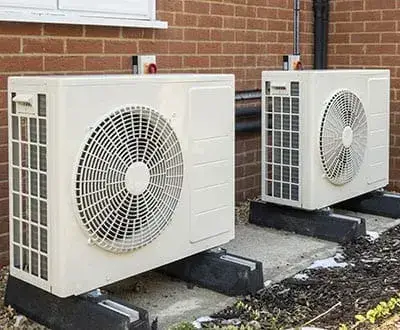
For emergency needs, make sure you know who to call. Phrases like HVAC Service Near Me, Emergency AC repair near me, and HVAC repair matter when your system fails on a hot night. Keep the contact of your installer handy and ask if they provide emergency service or if they subcontract for after-hours calls.
Maintenance checklist for new homeowners After a good install, upkeep is straightforward but disciplined. Change the air filter monthly or per the manufacturer's recommendation, keep the outdoor unit free of debris and vegetation, and schedule an annual professional tune-up before the cooling season. During a tune-up the technician should check refrigerant, measure airflow, clean coils, inspect electrical connections, and test the thermostat calibration.
There is value in a maintenance contract. It reduces the likelihood of mid-summer failures and often includes priority scheduling and discounted repair labor. If your contractor is B & W Heating & Cooling or another local firm, ask what their maintenance plan covers and whether it helps protect the warranty.
Common pitfalls and how to avoid them One homeowner I advised bought a high-SEER unit from a national retailer, installed it quickly, and then called me because the upstairs bedroom remained uncomfortable. The problem was mismatched components and undersized ductwork. The quick sale did not include a Manual J, and the unit could not distribute air efficiently. We replaced the air handler and rebalanced ducts, and comfort improved dramatically. That story illustrates three common pitfalls: skipping the load calculation, ignoring ductwork, and accepting a low-bid install without verification.
Another common mistake is delaying repairs. A small refrigerant leak or a weak capacitor turns into bigger failures. Routine inspections catch and fix these before they become emergency AC repair near me calls.
When to call for AC repair in Wood River IL Call the contractor when you notice reduced cooling capacity, higher humidity, unusual noises, frequent cycling, or a sudden spike in energy bills. These signs point to airflow problems, refrigerant issues, or electrical faults. If you smell burning or see leaking water, turn off the system and call for immediate HVAC repair. Keep in mind that many small faults compound; early intervention usually saves money.
Final persuasion: invest where it matters As a new homeowner, you face competing priorities. Skipping the right aspects of an AC installation saves money now but raises the chance of frequent service calls, poor comfort, and higher running costs. Investing in a proper load calculation, a matched system from a reputable brand, sealed ducts, and a thoughtful humidity strategy pays off every cooling season. Choose a trustworthy HVAC contractor near me who will stand behind their work, provide clear documentation, and offer sensible maintenance plans.
If you want a local option with experience in the area, reach out to companies like B & W Heating & Cooling for an on-site evaluation. Ask them to run a Manual J, show their calculations, outline a maintenance plan, and provide references from recent Wood River installations. The right decision now turns your new house into a comfortable, efficient home for years.
B & W Heating & Cooling
3925 Blackburn Rd, Edwardsville, IL 62025
+1 (618) 254-0645
[email protected]
Website: https://www.bwheatcool.com/